
What if it turned out that that necessary maintenance job in your professional kitchen was in fact a surprising chance for stronger business success?
That was the mindset I developed when I faced the need for a new unit. This key piece of equipment has changed dramatically since its Victorian-era beginnings. Today’s technology offers systems much better than outdated systems.
%anchor%
In my case, upgrading wasn’t simply a cost. It became a smart business move to cut long-term costs and to prevent future plumbing headaches. I knew this decision would impact my operations for years to come.
For that reason I left this vital service work fully to the pros at Grease Cleaning Pros. Their team’s thorough understanding of both technical and real-world sides of this work provided me total confidence.
This article is the comprehensive guide I wish I’d had.
It walks you through every factor to weigh for a seamless, well-informed Grease Trap Replacement that benefits the whole operation.
Overview Of Grease Trap Replacement In Commercial Kitchens
The behind-the-scenes plumbing systems and lines in a commercial kitchen perform a vital role in daily operations and long-term reliability. Knowing these components helps kitchen owners to reach informed decisions around maintenance and upgrades.
Why Grease Traps Are Essential For Your Kitchen
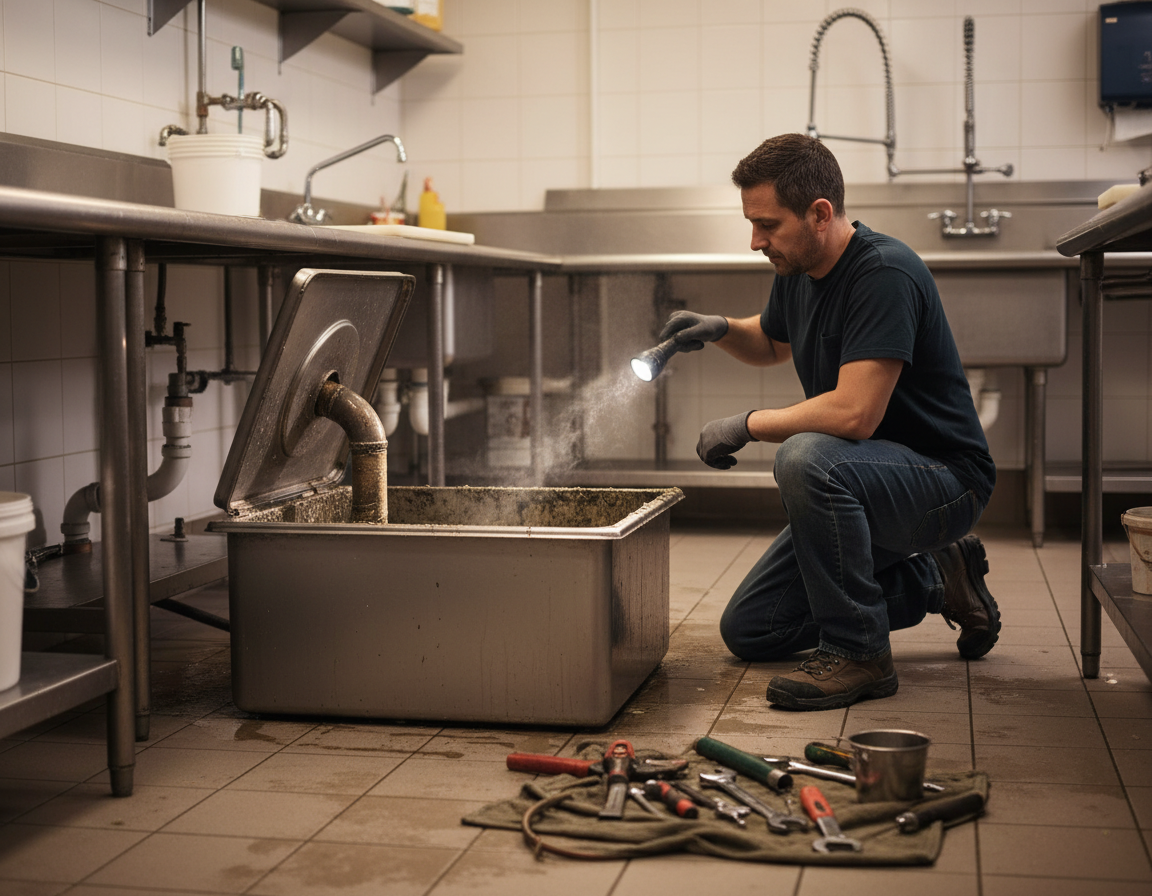
These dedicated plumbing components stop fats, oils, and grease before they flow into sewer systems. Without effective interception, major blockages can interrupt the entire kitchen workflow.
The baffle system inside these units controls the flow , so separation to take place naturally. Water moves through the outlet while unwanted solids stay trapped. This separation process reduces clogs in drain lines and helps avoid sewer overflows.
How Grease Trap Replacement Enhances Operational Efficiency
Modernizing outdated equipment through professional help boosts wastewater control substantially. Newer technology lowers the frequency of drain-line issues that may halt kitchen output.
Proper systems also help maintaining compliance with health and environmental regulations. That protection helps avoid citations and potential operational shutdowns that could impact continuity.
| Common Problems Without Proper Systems | Benefits With Modern Equipment | Impact on Kitchen Operations |
|---|---|---|
| Repeated drain clogs | Smooth wastewater flow | Lower downtime |
| Backups in sewer lines | Overflow prevention | Continuous production |
| Compliance violations | Ongoing compliance | Business protection |
| Costly plumbing repairs | Long-term savings | Budget stability |
Key Factors To Consider In Grease Trap Replacement
Selecting the right unit for my kitchen’s plumbing took more than just looking at upfront prices. I needed to see the full cost picture that would affect the business for years.
That complete approach saved me money and avoided surprise interruptions.
Total Cost Of Ownership Beyond The Purchase Price
The purchase price covers only one part of the overall cost. I learned quickly to factor in ongoing costs including regular pumping fees and maintenance expenses. These repeat costs can significantly hit your annual budget.
Some units might need replacing in half the time than longer-lasting options. That earlier replacement basically wipes out any upfront savings. Choosing durable equipment usually turns out more cost-effective long-term.
Automated systems can reduce service frequency, saving both time and money. Larger-capacity models often require less frequent emptying. These operational efficiencies build long-term value.
Maintenance, Cleaning, And Availability Of Replacement Parts
Different interceptor types come with varying maintenance requirements. Some kitchens have staff to handle cleaning internally. Others opt for professional service for consistent outcomes.
Parts availability turned into a crucial consideration for my decision. Waiting for weeks for a critical component during busy periods could disrupt service. I verified that critical parts were available quickly.
Regular maintenance schedules help plan expenses and prevent surprises. Understanding predictable replacement intervals supports smarter budgeting. This proactive approach protects your business from surprise downtime.
Assessing Durability And Code Compliance
The material makeup of the new unit turned into a decisive factor in how I decided. I required a system that could withstand daily demands while complying with all required standards.
Evaluating Materials And Long-Term Reliability
Older concrete units often corrode quickly under ongoing exposure to kitchen waste. They struggle with the harsh conditions over time.
Legacy metal designs often last only about seven years before wear begins. A short lifespan means frequent system changes.
Newer options often use stainless steel and corrosion-resistant polyethylene. Brands like Big Dipper and Trapzilla have demonstrated track records of exceeding twenty years.
New plastic-based models stand up to rust and corrosion reliably. This long life helps justify the upfront cost by extended lifespan.
Compliance is just as important for a working kitchen. The system needs to meet all local, state, and federal regulations immediately after installation.
Grease Cleaning Pros walked me navigate rules set by health departments, inspectors, and sewer authorities. They confirmed the selected unit met all plumbing and building standards.
Grease Trap Replacement Options And Best Practices
Dealing with a unit that isn’t working requires careful evaluation of repair versus full system change. That decision impacts kitchen efficiency and the budget significantly. I consider several factors before selecting the right path.
Comparing Repair Versus Replacement Remedies
Minor leaks near seals usually point to simple component wear. These issues are often fixable with professional repair service. Repairing first keeps costs down when the unit is still fairly new.
But, ongoing clogs and major structural damage signal underlying issues. A worn unit with corrosion often needs a full system swap. A replacement often is the most practical option at that point.
I measure short-term repair expenses against long-term operational efficiency. Repeated breakdowns create unseen costs through downtime. A new installation often turns out more cost-effective in the long run.
Selecting A Reliable Service Provider
I rely on Grease Cleaning Pros for their thorough assessment process. They help me see whether repair or new equipment best fits my operation. Their know-how stops small problems from becoming big disruptions.
Professional installation work ensures proper sizing and compliance. That detail work protects my kitchen from plumbing problems later. Partnering with experts builds confidence in my equipment’s performance.
Sizing And Installation Considerations For Commercial Kitchens
Calculating the proper specifications for my foodservice facility’s drainage system demanded careful math. Getting this right affects both compliance and operational efficiency in a major way.
Working with Grease Cleaning Pros helped me determine the precise capacity my operation needs. They account for sink dimensions, equipment output, and daily meal volume.
Understanding Capacity Needs And Space Constraints
Menu choices greatly influence wastewater composition. A kitchen that serves fried foods produces much heavier loads than a kitchen preparing salads.
Modern urban locations can lack room for big traditional units. Grease Cleaning Pros helped me find space-saving solutions that will fit basement or multi-level installs.
Their tools compute exact requirements without unnecessary oversizing. This method saves money while supporting compliance.
Correct sizing helps prevent recurring clogs and high-cost emergency calls. It also maintains a smooth workflow at peak times.
Maintaining Your Grease Trap For Long-Term Performance
Proper care of drainage equipment lengthens its working life while protecting the business from expensive plumbing emergencies. I work with Grease Cleaning Pros to establish a maintenance routine that keeps everything running smoothly.
Their guidance helps me prevent the major issues that can take down kitchen operations. Regular attention prevents little issues from turning into serious problems.
Effective Cleaning And Routine Maintenance Tips
I arrange professional service every 1 to 3 months depending on my kitchen’s volume. This routine cleaning clears built-up debris before it leads to clogs.
Between professional visits, I keep sink strainers to trap food debris. Staff knows to dispose of food waste in designated bins instead of putting it down the drain.
Recognizing Early Signs Of Grease Trap Failure
I look for warning signs like unpleasant odors or slow drainage. These often signal issues developing that call for prompt attention.
Clogged pipes and frequent pump-outs signal the system is struggling. I handle these warnings fast to avoid complete failure.
Strategies For Preventing Plumbing And Sewer Issues
Routine inspections find leaks and early corrosion before they worsen. This preventive approach keeps me away from urgent repairs and interruptions.
Correct waste disposal are my first line of defense. Training employees correctly stops most drainage problems before they ever begin.
| Maintenance Practice | Frequency | Expected Outcome |
|---|---|---|
| Professional cleaning | Every 1-3 months | Reduces blockages and odors |
| Sink strainer use | Each day | Limits solid waste from entering |
| Staff training | Ongoing | Correct waste disposal habits |
| Visual inspection | Each week | Early issue detection |
Conclusion
Investing in proper wastewater management systems has become critical to my business success. Choosing Grease Cleaning Pros for my equipment needs delivered specialist guidance through the full process.
This guide walked through the essential factors for making well-informed decisions. From learning why these systems are crucial to picking the right kind and size, every consideration is important.
Considering the total cost picture beyond just the purchase price creates better long-term value. Accurate sizing and compliance safeguard the operation from regulatory issues while effectively managing kitchen output.
Hiring a professional service makes sure proper installation and maintenance. That partnership reduces serious plumbing issues that may shut down a commercial kitchen.
I urge other operators to rely on this comprehensive resource when facing equipment choices. Following these practices helps protect your systems and helps ensure steady operations for many years.